
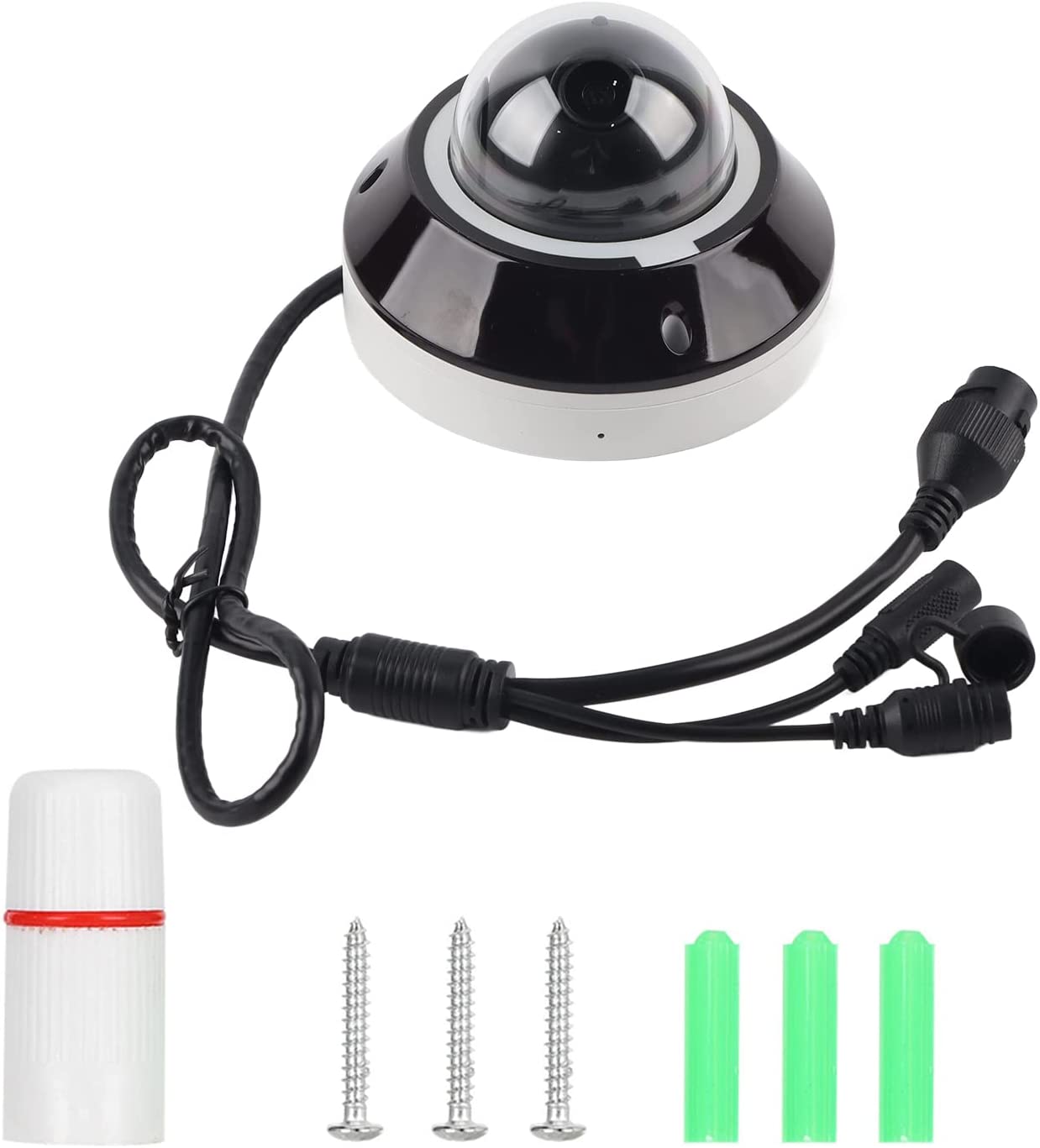
While CCTV cameras offer numerous benefits, their usage raises important privacy and ethical considerations that must be addressed.
- Invasion of Privacy: CCTV cameras, when placed indiscriminately, can infringe upon people’s privacy. It’s essential to strike a balance between security and personal privacy. Ensure that cameras are not pointed at private spaces, like bedrooms or bathrooms.
- Data Security: CCTV systems collect sensitive information, which can be a target for hackers. Implement robust security measures to protect the data, including strong passwords, regular software updates, and encryption.
- Consent and Notification: When using CCTV cameras in public spaces or workplaces, consider obtaining consent from individuals and providing clear notices about surveillance. Transparency in surveillance practices is critical.
- Retaining Data: It’s crucial to establish policies on data retention. Storing data longer than necessary may pose privacy risks. Define a clear data retention period and adhere to it.
- Data Usage: Be cautious about how you use the data collected by CCTV cameras. Avoid using it for purposes other than security, and respect individuals’ rights to access their own recorded data.
In conclusion, while CCTV cameras offer significant advantages in terms of security, they should be deployed responsibly, with careful consideration of ethical and privacy concerns. Balancing security and privacy is key to utilizing this technology effectively and ethically.